

Dermabrasion Gallery
$$MultiPurposeText$$
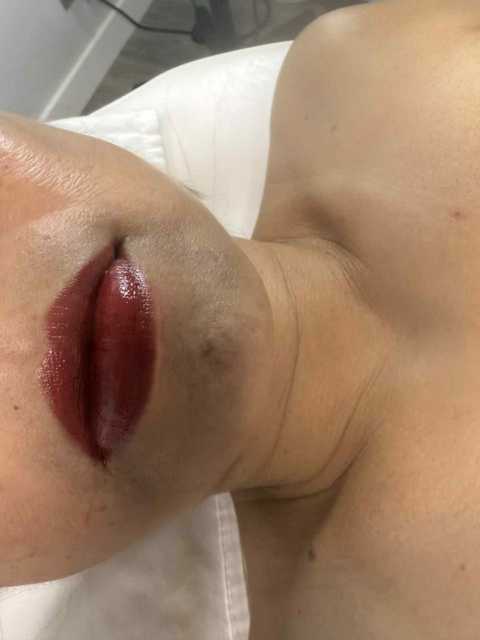
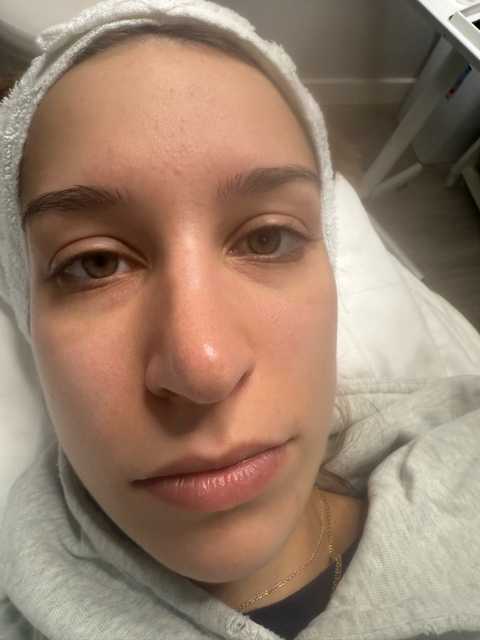
See examples of our Dermabrasion work and results.




What Our Clients Say
$$MultiPurposeText$$
Read testimonials from our satisfied customers

I came to L&R Beauty for my first ever facial. It a good experience for me! From start to ...more

...more
Frequently Asked Questions
Get answers to common questions about Dermabrasion.
A trained therapist gently abrades the skin to remove dead cells, then applies calming serums and SPF. Sessions usually last 45 to 60 minutes. You may feel mild warmth or tingling and notice smoother texture with minimal downtime.
Dermabrasion can be adapted for many skin types, but a consultation and patch test are required. For sensitive or acne-prone skin we may use gentler settings or alternative exfoliation to ensure safety and minimize irritation.
Most clients see improvement after one session, but optimal results usually require a series of three to six treatments spaced four to six weeks apart, depending on scarring, texture concerns, and individual skin response.
Recovery is generally brief: redness and mild peeling for three to seven days is common. Avoid sun exposure and use gentle skincare and SPF. Full resurfacing benefits emerge as skin renews over several weeks.
Yes—Dermabrasion pairs well with treatments like chemical peels, microneedling, and professional facials when scheduled appropriately. We’ll create a customized plan and recommend timing to avoid over-exfoliation and ensure safe, effective cumulative results.
Possible side effects include temporary redness, sensitivity, and flaking. Contraindications include active infections, recent isotretinoin use, certain skin conditions, or pregnancy. A thorough consultation and medical history review will determine if Dermabrasion is appropriate for you.