

Upper Lip Waxing Gallery
$$MultiPurposeText$$
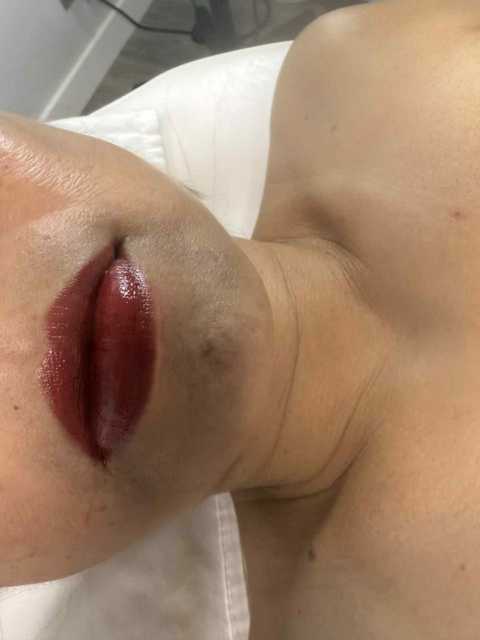
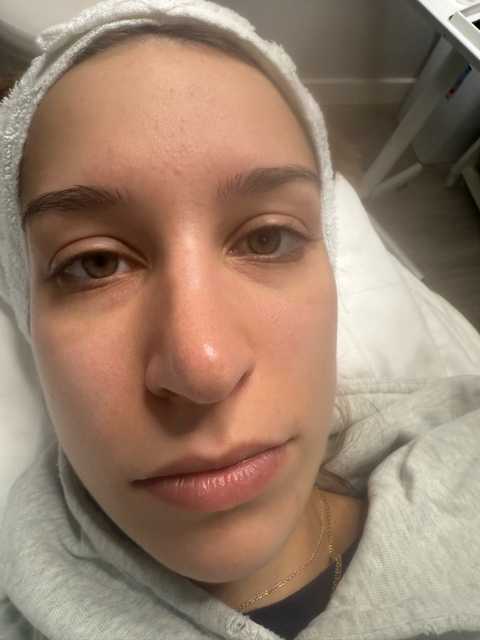
See examples of our Upper Lip Waxing work and results.




What Our Clients Say
$$MultiPurposeText$$
Read testimonials from our satisfied customers

Liana was excellent at taking care of me today! I was a little concerned about the waxing ...more

Excellent service, thorough and pain free. She had threading, sugaring, cold wax and hot w...more

I really enjoyed my experience, super sweet and very thorough. On a pain scale 1-10 I rate...more

...more
Frequently Asked Questions
Get answers to common questions about Upper Lip Waxing.
Most clients enjoy smooth upper lips for two to six weeks, depending on hair growth rate and individual hormones. Regular appointments can extend intervals, while exfoliation and aftercare help maintain results and prevent ingrown hairs.
Some brief discomfort is normal, but our therapists use gentle wax and calming techniques to minimize pain. Avoid caffeine, take a mild pain reliever beforehand if needed, and communicate with your therapist for breaks or adjustments during the treatment.
Ensure hair is about a quarter inch long for effective removal. Avoid retinoids or heavy exfoliation for two days prior and cleanse the area. Skip recent tanning and inform us about medications or sensitivity so we can adjust products.
Waxing can sometimes lead to ingrown hairs, especially without proper aftercare. We recommend gentle exfoliation after two days, moisturizing with non-comedogenic products, and avoiding picking. If persistent, book an appointment for professional treatment and advice.
Wait at least twelve to twenty-four hours before applying makeup to the waxed area to reduce irritation and infection risk. Use mineral-based products and avoid heavy creams immediately after. If redness persists longer than a day, follow aftercare recommendations or contact us.
Generally safe during pregnancy and breastfeeding, but increased skin sensitivity and hormonal changes may increase discomfort. Tell your therapist if pregnant or nursing so we can use milder wax, perform a patch test, and adapt techniques to ensure comfort and safety.